Fenton Justice
Examining Corrections and Criminal Justice Policy
Professional insights on corrections, criminal justice policy, and system practices. This platform examines current issues through an informed, experience-based perspective.
By Jonquil Fenton

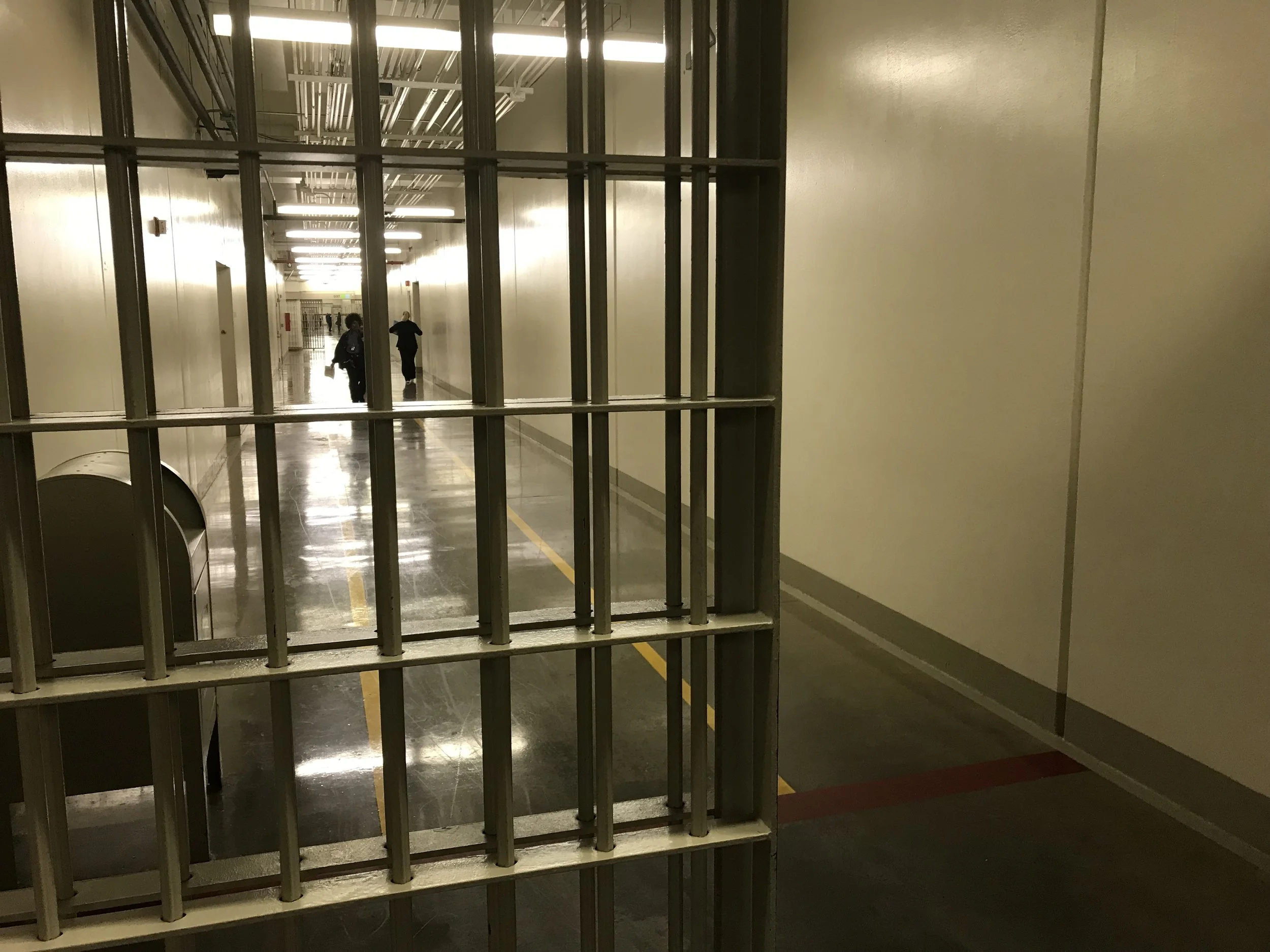
Northeast Ohio Correction Center, Youngstown, Ohio
Recent Analysis
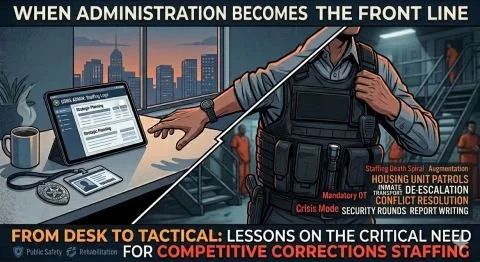
From Administration to the Front Lines: Lessons from the Corrections Staffing Crisis
A firsthand look at how under staffing is reshaping roles and increasing risk within corrections.
My career path through the U.S. Marshals Service, Ohio Department of Corrections & Rehabilitation, and the Pennsylvania Department of Corrections has given me a perspective on the justice system that you simply cannot get from a textbook.
In 2024, the reality of the staffing "death spiral" became personal. Although I was hired into an administrative capacity with the U.S. Marshals, the operational demands were so high that "augmentation" became the standard. I wasn't just managing inmate files—I was:
• Conducting cell searches.
• Supervising chow time.
• Managing pods with ratios as high as 1 officer to 120 inmates.
• Manning the floor for 16-hour shifts alongside my fellow officers.
While the pay in these roles was often higher than local averages, the professional "cost" was higher. No amount of compensation offsets the safety risks created by chronic under staffing and extreme burnout.
That experience is why I am a vocal advocate for the Federal Correctional Officer Paycheck Protection Act of 2026.
The proposed 35% base pay increase for federal staff is a critical step, but it is only the beginning. To truly stabilize our facilities—at both the state and federal levels—we must move away from "augmentation" as a solution and toward a model that prioritizes staff retention and manageable ratios.
As I complete my Criminal Justice degree and transition into Probation, I’m carrying these lessons with me. Effective community supervision starts with a healthy, well-staffed correctional foundation. We cannot expect successful re-entry outcomes if the facilities they come from are operating in a state of perpetual crisis.
True public safety requires us to invest in the professionals who hold the line—before they reach the breaking point.
Stay Updated on Justice & Corrections