Corrections, Compliance, and Constitutional Risk: Lessons from Recent Policy Discussions
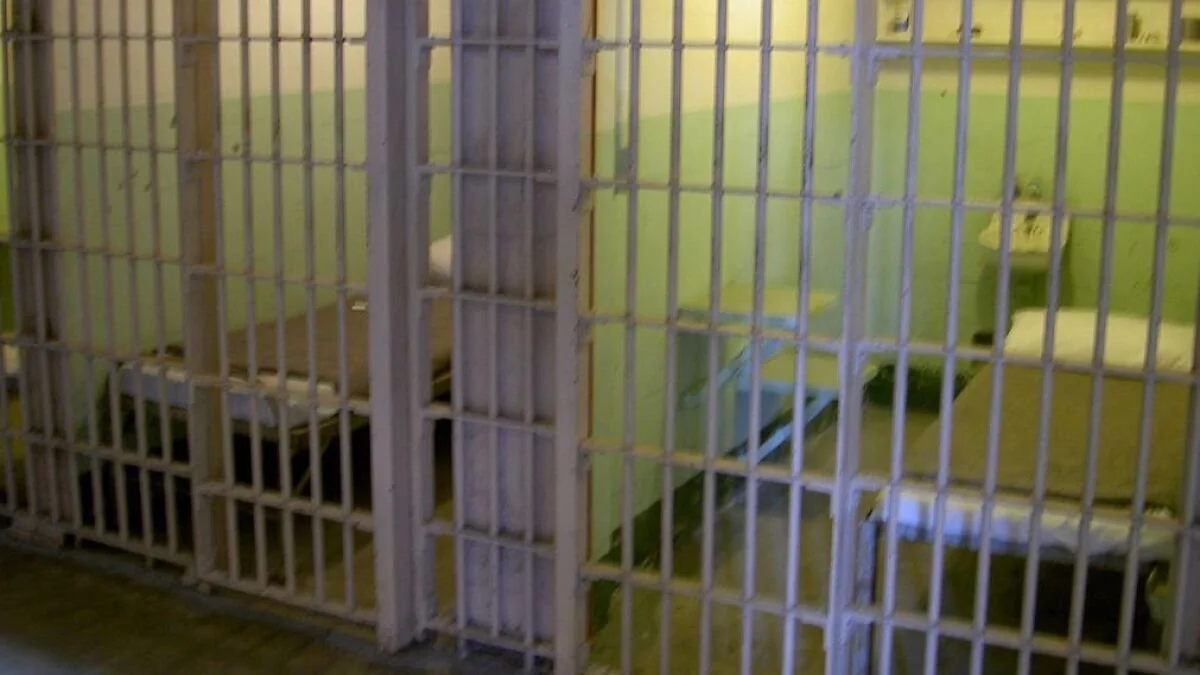
Image source: WOSU Public Media (Northeast Ohio Correctional Facility)
In January of 2026, I had the privilege of attending a highly informative webinar today hosted by the American Jail Association and presented by LexisNexis.
The session, “Ensuring Constitutional Rights for the Incarcerated and Reducing Your Liability in Corrections 2025-2026,” featured Gerard Horgan, a 31-year corrections veteran and attorney. His insights into the intersection of facility operations and constitutional law were incredibly timely.
💡 Key Takeaways:
• Medical & Mental Health Care: We took a deep dive into the Opioid Use Disorder (OUD) and Fentanyl crisis. Cases like Spurlock v. Wexford highlight the critical need for proper MAT (Medication-Assisted Treatment) access and the legal risks of denying care to those in detox.
• Suicide Prevention: The statistics are sobering—26% of jail suicides occur within the first 72 hours. Identifying risk factors like "first incarceration" and "restrictive housing" is vital for early intervention.
• The Power of Documentation: Whether it's a Use-of-Force incident (Graham v. Connor) or medical screening, if it isn't documented, it didn't happen.
• Access to Courts & Technology: I was impressed by how LexisNexis is bridging the gap for incarcerated individuals who lack internet access, ensuring they can still exercise their rights.
• Reframing Grievances: A great perspective shift—grievances aren’t just "complaints"; they are opportunities to investigate issues and improve the facility before they escalate to litigation.
As regulations around the ADA and RLUIPA continue to evolve, staying proactive on compliance isn't just about reducing liability—it's about running a safer, more humane environment for everyone.
A big thank you to the AJA and LexisNexis for such a high-value session!
